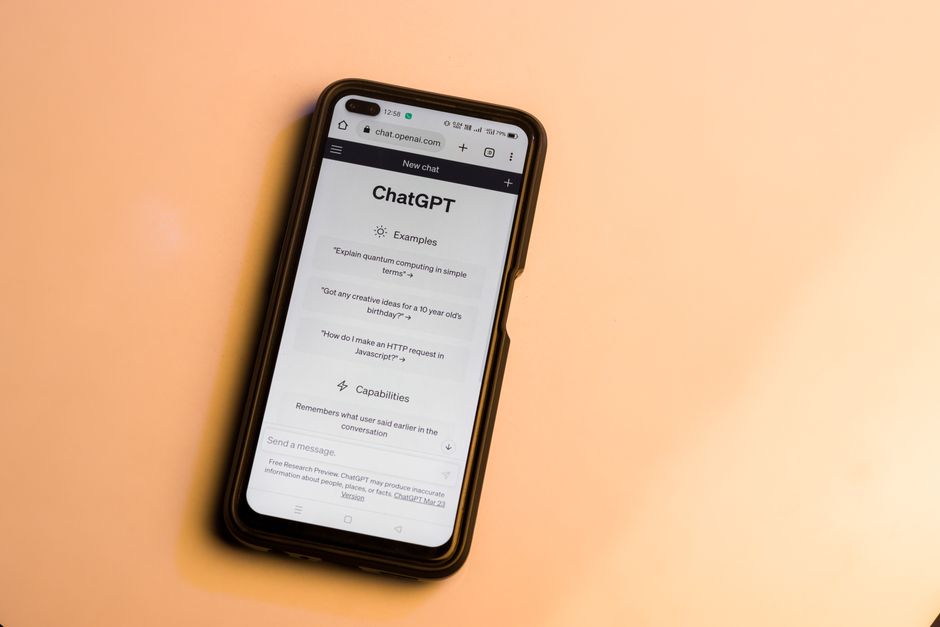
Marketers who host lead magnets inside OpenAI's ChatGPT should prepare those assets for a move to ChatGPT Sites, according to a recent edition of Social Media Examiner's newsletter. That edition also covers how to use Anthropic's Claude Design and rounds up news involving Google's Gemini. Together these items point to one reality: AI platforms are now marketing infrastructure, and they can change underneath you.
- Social Media Examiner's newsletter advises getting ChatGPT-hosted lead magnets ready for a move to Sites (source: Social Media Examiner).
- The same edition includes a how-to guide for Anthropic's Claude Design (source: Social Media Examiner).
- The edition closes with industry news, including updates involving Google's Gemini (source: Social Media Examiner).
The newsletter only previews these topics, so this article does not try to describe how ChatGPT Sites works. Instead, it looks at what the move means for marketers who have built funnels on AI platforms, and at the practical steps that protect those funnels whenever a platform changes how it hosts content.
What Does the Move to ChatGPT Sites Mean for Lead Magnets?
Over the past few years, many marketers have turned ChatGPT into a lead generation channel. Common examples include custom GPTs that act as calculators, audit tools, prompt libraries, or interactive guides, offered in exchange for an email address or as a top-of-funnel hook. These assets cost little to build and are easy to share, which made them attractive to solo creators and agencies alike.
The catch is that the assets live on someone else's infrastructure. When a platform changes how content is hosted or presented, every link, embed, and onboarding flow that points to the old setup may need attention. Social Media Examiner treating the Sites transition as something to prepare for, rather than just a feature to try, suggests the change affects existing assets and is not only a new option.
For teams that built campaigns around ChatGPT-hosted tools, the immediate questions are practical:
- Where are the links to these assets published, including email sequences, social bios, ads, and partner sites?
- Does the lead magnet capture contact details in a system you control, or does the value exchange happen entirely inside ChatGPT?
- Who owns the instructions, files, and prompts behind each asset, and are they backed up outside the platform?

How to Prepare ChatGPT-Hosted Lead Magnets for a Platform Change
Official guidance from OpenAI and the detailed walkthrough in Social Media Examiner's newsletter should be the first stop for platform-specific steps. A general migration checklist still applies to any AI-hosted asset.
1. Inventory every asset
List each lead magnet, its purpose, its current URL, and the campaigns that drive traffic to it. Many teams find forgotten tools still linked from old posts or evergreen emails.
2. Back up the underlying build
Copy system instructions, knowledge files, conversation starters, and any branding into a document or repository you control. If the hosting format changes, you can rebuild quickly instead of reconstructing from memory.
3. Map and update every link
Broken links quietly drain funnel performance. A redirect page on your own domain gives you a single URL to update whenever a platform changes, rather than editing dozens of placements.
4. Move lead capture to owned channels
If the asset delivers value without collecting contact details on your side, consider a landing page that captures the email first and then hands off to the AI tool. This protects your list regardless of how any platform evolves.
5. Re-test the user experience
After any transition, run through the asset as a new visitor would. Check access requirements, mobile behavior, and whether outputs still match the original intent.
Teams that also track how their brand appears inside AI answers can fold this audit into existing monitoring. Our guide on tracking competitors in ChatGPT answers covers a complementary workflow.
What Is Claude Design and Why Are Marketers Paying Attention?
The second major item in the newsletter is a guide to using Claude Design from Anthropic. The preview does not detail its features, so marketers should check Anthropic's documentation and Social Media Examiner's full walkthrough before building it into production workflows.
What the inclusion signals is clear enough. Anthropic keeps extending Claude beyond chat into specialized work surfaces, and marketing publications now treat these tools as worth step-by-step coverage. Readers following that expansion may find useful context in our starter guides to Claude Code for non-developers and Claude Cowork.
When evaluating any AI design tool, a short pilot answers most questions:
- Brand consistency: Can it reliably follow your colors, typography, and tone, or does every output need heavy correction?
- Editability: Can designers refine outputs in their existing tools, or are assets locked in?
- Rights and usage: Review the terms covering commercial use of generated assets.
- Time saved: Compare the hours spent on a real campaign asset against your current process.

Why AI Platform Risk Is Now a Marketing Planning Issue
Read together, the items in this edition show how much marketing work now runs through tools from OpenAI, Anthropic, and Google. Each company ships changes at a pace that traditional marketing calendars were not built for. A lead magnet that worked last quarter can require rework this quarter, and a design workflow can shift as new tools appear.
This mirrors an older lesson from social media. Brands that built audiences only on rented platforms learned to prioritize email lists and owned websites after algorithm and policy changes cut their reach. AI platforms deserve the same caution. Use them for reach, interactivity, and speed, but keep the relationship with the customer, meaning contact data, content archives, and analytics, somewhere you control. Our coverage of key trends from the 2026 Social Media Marketing Industry Report offers wider context on how marketers are reshaping channel strategy.
A practical habit is a quarterly AI asset review. List every tool your team depends on, note the business process each one supports, and record the fallback if that tool changes or disappears. The review takes an afternoon and can prevent a broken funnel during a busy campaign.
Key Takeaways
- Social Media Examiner advises marketers to prepare ChatGPT-hosted lead magnets for a move to ChatGPT Sites. Treat it as a migration project, not a cosmetic update.
- Back up the instructions and files behind every AI-hosted asset, and route links through a URL on your own domain.
- Capture leads in systems you own before handing users off to any AI platform.
- Pilot Anthropic's Claude Design on a real asset and judge it on brand consistency, editability, usage rights, and time saved.
- Run a quarterly AI asset review so platform changes from OpenAI, Anthropic, or Google never catch your funnels off guard.
Frequently Asked Questions
What is the ChatGPT Sites move Social Media Examiner mentioned?
Social Media Examiner's newsletter advises marketers to get their ChatGPT-hosted lead magnets ready for a move to Sites. The preview does not detail how Sites works, so marketers should check OpenAI's official guidance and the full newsletter for platform-specific steps.
How should marketers protect lead magnets hosted on AI platforms?
Back up the instructions, files, and prompts behind each asset, and route links through a URL on your own domain so you can update them in one place. Wherever possible, capture contact details on a landing page you control before sending users to the AI tool.
Is Claude Design worth testing for marketing teams?
Claude Design is an Anthropic product covered in Social Media Examiner's latest guide. The best way to decide is a short pilot on a real campaign asset, judging brand consistency, editability, commercial usage terms, and time saved against your current workflow.
Why is platform risk important for AI-based marketing?
AI platforms from OpenAI, Anthropic, and Google change frequently, and assets built on them can break or need rework. Keeping customer data, content archives, and analytics in owned systems limits the damage when a platform changes.