Fashion is an ever-growing and ever-changing industry. It is about keeping up with styles and trends. Sometimes, more than the new, fashion brands revive old trends by understanding the style choices of customers. However, the industry also produces significant textile waste, chemical runoff, and carbon emissions that are harmful to the environment. In 2026, fashion entrepreneurs across India are actively addressing this challenge by building sustainable and ethical fashion brands.
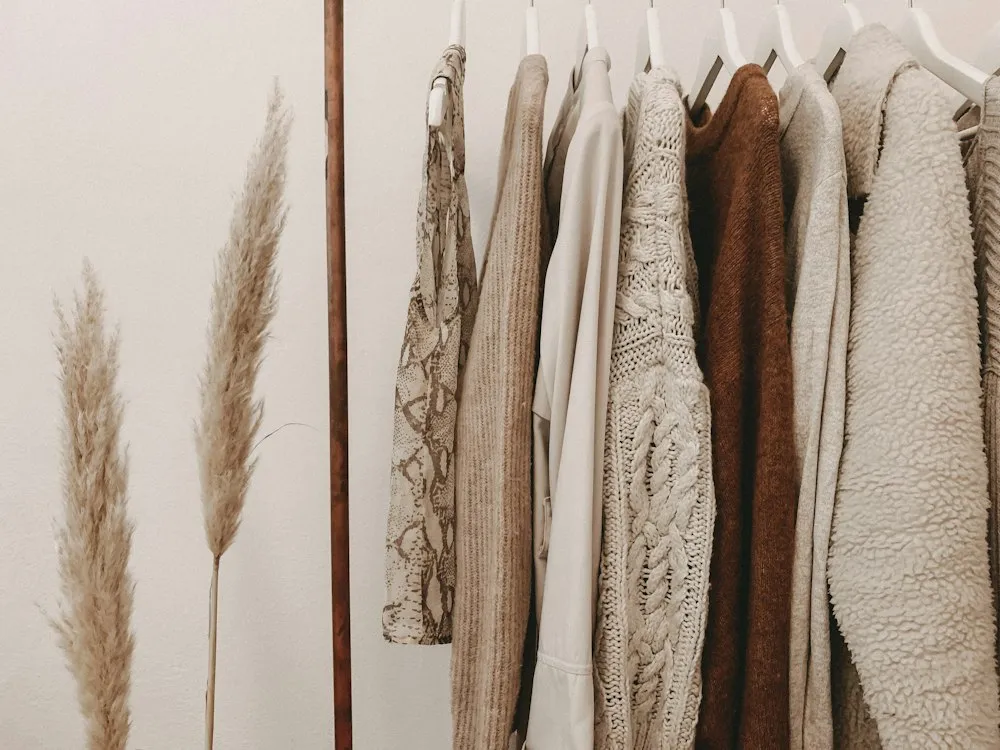
By creating sustainable and ethical fashion brands in India, designers and entrepreneurs are helping transform the industry. Many brands now use organic cotton, hemp, bamboo, Tencel™, and recycled blends. Upcycling, small-batch production, and zero-waste pattern cutting have become common practices rather than experimental ideas.
To promote goodwill and reduce environmental harm, several labels are opting for vegan, cruelty-free materials and biodegradable packaging. Many sustainable fashion brands in India are also working directly with Indian artisans and weavers, creating contemporary apparel using handloom fabrics while ensuring fair wages.
Consumer awareness has grown steadily since the pandemic years. In 2026, urban shoppers increasingly check labels for fabric sourcing, carbon footprint disclosures, and ethical certifications before purchasing. Social commerce, resale platforms, and clothing rental apps have also encouraged mindful buying habits.
Although products from sustainable fashion brands in India are typically priced higher than fast fashion, improved supply chains and rising demand have helped narrow the gap. Influencer marketing, celebrity endorsements, and transparent storytelling on social media platforms have further strengthened the movement.
Let us look at the top sustainable fashion brands in India :
- Nicobar
Founded by Simran Lal and Raul Rai, Nicobar caters to urban consumers seeking contemporary clothing, travel wear, and home décor with a conscious approach. In 2026, the brand continues to expand its retail presence across major Indian cities while strengthening its online channel.
Nicobar uses natural and low-impact fabrics such as organic cotton, bamboo, modal, and Tencel™. The brand focuses on relaxed silhouettes, timeless design, and responsible sourcing. It has also introduced limited capsule collections that emphasize traceability and improved packaging practices.
The products reflect a calm, travel-inspired aesthetic while aligning with responsible production standards.
- No Nasties
Started by Apurva Kothari in Goa, No Nasties is known for its 100% organic cotton apparel. By 2026, the brand has strengthened its position as a climate-positive label, offsetting more carbon than it emits through tree-planting and regenerative farming partnerships.
The brand remains vegan and Fairtrade-certified, ensuring that its manufacturing does not involve hazardous factories or child labor. No Nasties has also improved size inclusivity and transparency by publishing impact reports and product-level sustainability metrics on its website.
For every purchase, the company continues to support tree-planting initiatives, reinforcing its long-term environmental commitment.
- Doodlage
Doodlage is one of the pioneers of upcycled fashion in India. The brand sources factory waste, surplus fabrics, and post-consumer textiles to create new garments and accessories.
In 2026, circular fashion is gaining policy support under India’s textile sustainability initiatives, and Doodlage continues to lead with a zero-waste philosophy. The brand also offers repair services and limited made-to-order collections to reduce overproduction.
Its products combine comfort and design innovation, using materials such as cotton, corn-based fabrics, and banana fiber. Doodlage also donates surplus fabric to NGOs that produce reusable sanitary products, strengthening its social impact.
- Mio Borsa
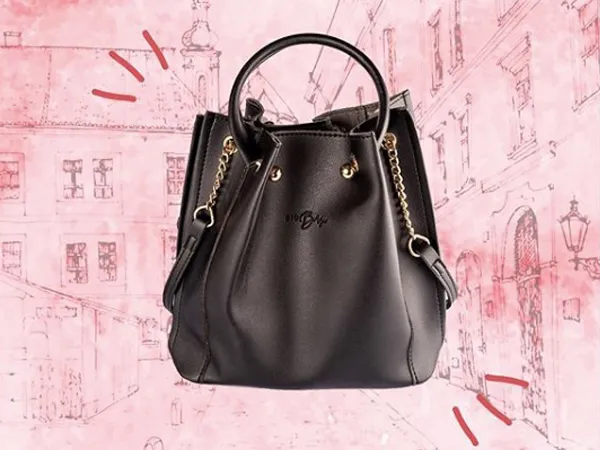
Luxury bags are often associated with animal leather, raising ethical and environmental concerns. Mio Borsa, founded by Pallavi Behle in Delhi, addresses this issue with plant-based and recycled alternatives.
In 2026, the brand uses plant PU, pineapple leaf fiber, and other innovative materials to create durable and stylish handbags. It emphasizes longevity, offering repair support and promoting conscious consumption over impulse buying.
The designs are versatile and suitable for work, travel, and events—providing the look and feel of leather without animal-derived materials.
- B-Label
B-Label operates under the Bombay Hemp Company (BOHECO), an agri-based enterprise promoting hemp cultivation in India.
The brand produces apparel using hemp fabrics known for durability, breathability, and natural UV resistance. Hemp requires less water compared to conventional cotton and grows with minimal pesticides, making it a preferred sustainable textile in 2026.
B-Label combines minimal design with community impact by supporting Indian farmers and advancing chemical-free cultivation practices.
Why Sustainable Fashion Is Growing in India in 2026
The Indian sustainable fashion market has expanded steadily due to rising awareness, government focus on circular textiles, and increasing global demand for ethical manufacturing. Startups are leveraging technology for supply chain transparency, QR-based product traceability, and small-batch production models.
| Factor | Impact in 2026 |
|---|---|
| Consumer Awareness | More buyers checking fabric origin and certifications |
| Government Initiatives | Support for circular economy and sustainable textiles |
| Digital Commerce | D2C growth enabling niche eco-brands to scale |
| Influencer Advocacy | Shift from fast fashion hauls to mindful wardrobes |
Additionally, resale platforms and clothing rental startups are complementing sustainable fashion brands, encouraging consumers to extend the lifecycle of garments.
What to Look for in a Sustainable Fashion Brand
- Fabric sourcing: Organic, recycled, or low-impact materials
- Certifications: Fairtrade, GOTS, vegan certifications
- Transparency: Public sustainability or impact reports
- Longevity: Durable designs and repair policies
- Ethical labor: Fair wages and safe working conditions
Sustainable fashion in India is no longer limited to niche boutiques. In 2026, it represents a growing segment of the broader fashion and startup ecosystem—where profitability aligns with environmental and social responsibility.
Frequently Asked Questions
What are the best sustainable fashion brands in India in 2026?
Some of the leading sustainable fashion brands in India in 2026 include Nicobar, No Nasties, Doodlage, Mio Borsa, and B-Label. These brands focus on organic fabrics, upcycling, vegan materials, and ethical manufacturing practices.
Why is sustainable fashion more expensive than fast fashion?
Sustainable fashion often uses organic or innovative materials, pays fair wages, and produces in small batches, which increases costs. However, the garments are typically more durable and ethically made, offering better long-term value.
How can I identify a truly sustainable fashion brand?
Look for transparency in sourcing, certifications like GOTS or Fairtrade, clear sustainability reports, and information about labor practices. Brands that promote repair, recycling, or circular production models are generally more credible.