- Social Media Examiner's latest weekly roundup covered turning documented SOPs into repeatable AI workflows (source: Social Media Examiner).
- The same edition covered how brands can earn more product mentions from AI assistants (source: Social Media Examiner).
- The edition also carried industry news involving Anthropic, which this article does not cover because the details were not available (source: Social Media Examiner).
A recent weekly roundup from Social Media Examiner covered two items that look unrelated at first. One was about documenting standard operating procedures and turning them into repeatable AI workflows. The other was about earning more product recommendations from AI tools. The edition also included industry news involving Anthropic, though the summary available to us does not say what that news was, so this article leaves it aside.
The pairing makes sense. AI-generated SOPs deal with how AI fits into a marketing team's internal operations. Product mentions from AI deal with how AI shapes what customers see. Both depend on the same discipline: putting knowledge into clear, structured, consistent language that a model can follow and repeat accurately.
Why AI-Generated SOPs Are Becoming a Marketing Priority
Most marketing teams run on undocumented knowledge. One person knows how the weekly LinkedIn carousel gets made. Another knows the steps for briefing an influencer. When either person is out, quality drops. SOPs have always addressed this, but many teams skip them because writing documentation feels slow and the documents go stale quickly.
Generative AI changes that tradeoff in two ways:
- Documentation is faster to produce. A team member can record or narrate a process, and an AI model can turn the transcript into a structured, step-by-step SOP in minutes.
- The SOP becomes executable. A well-written procedure can serve as instructions for an AI assistant or a custom GPT-style workflow. That turns a static document into a repeatable system.
This is the main shift. An SOP written only for humans can be vague, because people fill gaps with judgment. An SOP meant to drive an AI workflow has to be explicit about inputs, steps, decision rules and what a finished output looks like.

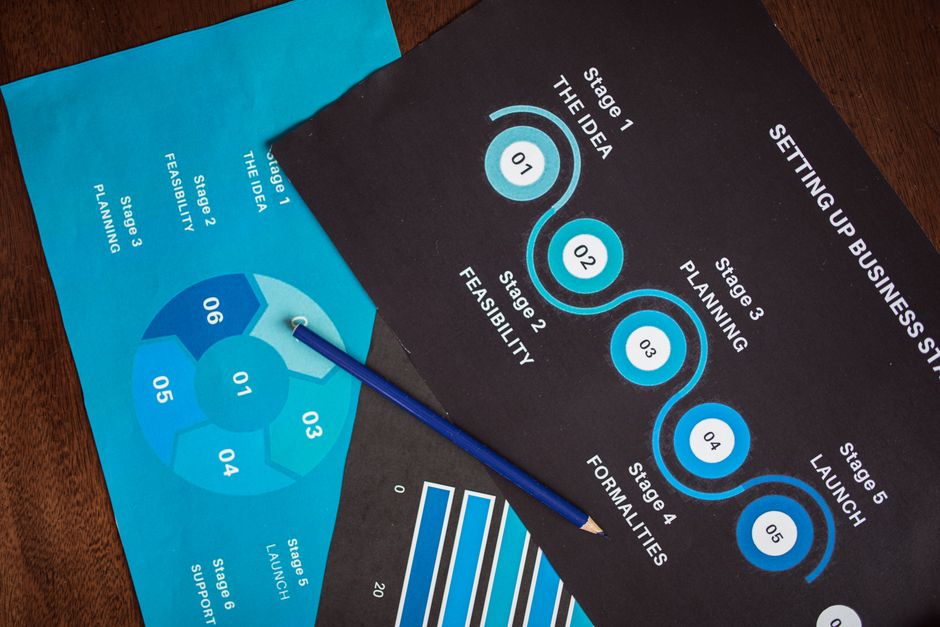
A practical framework for converting SOPs into AI workflows
- Pick a repetitive, rules-based task first. Repurposing a blog post into social captions, writing first-draft ad variations, or summarizing campaign reports are good starting points. Avoid tasks that rely mostly on taste or relationships.
- Capture the process as it really happens. Ask the person who does the task to talk through it while they work. Real workflows include shortcuts and exceptions that idealized documents leave out.
- Have AI draft the SOP, then edit it as a person. Check every step for ambiguity. Change "make it engaging" to specific criteria such as hook length, tone and call-to-action format.
- Define the inputs and outputs. List what the workflow needs, such as brand voice guidelines, a source URL or audience details, and what it should return.
- Add a human checkpoint. Decide who reviews outputs before they go live, and keep a short log of the corrections they make.
- Version and review regularly. Platform rules and brand priorities change. Give each SOP an owner and a review date.
The correction log is often overlooked. Recurring edits show where the SOP is unclear, and fixing the document usually works better than fixing every output by hand.
Product Mentions From AI: The New Visibility Battleground
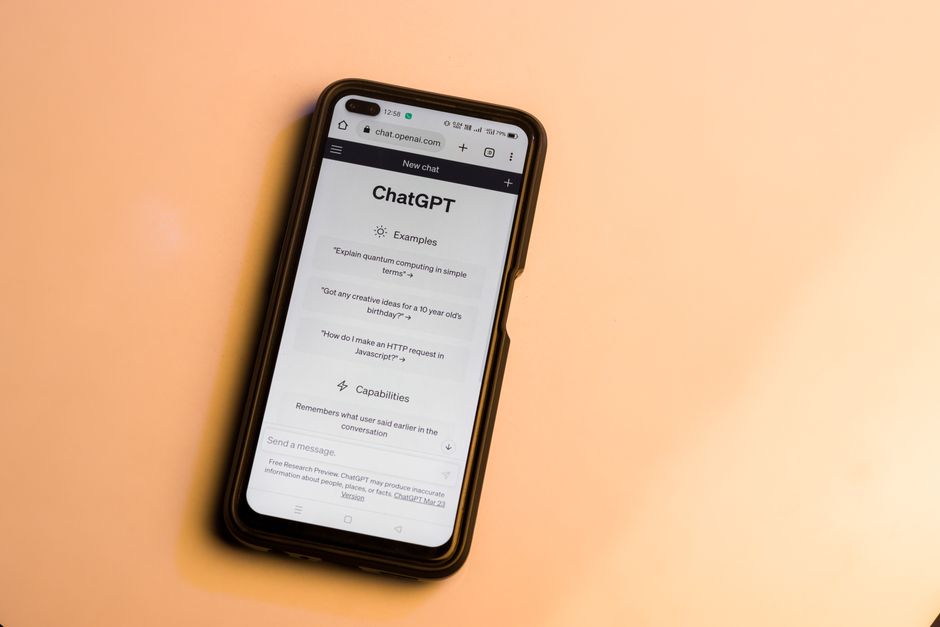
The second theme in the roundup, getting AI tools to recommend your product more often, reflects a change in discovery that marketers can no longer treat as experimental. Buyers increasingly ask chat assistants questions such as "what's the best scheduling tool for a small agency?" or "which sunscreen works for oily skin?" The answer is usually a short list of recommendations. A brand either appears in that list or it doesn't.
This is not traditional rankings, and it is not paid placement. AI assistants put answers together from what they have learned and, in many products, from live web retrieval. A brand's visibility depends on how clearly and consistently it is described across the web. Our coverage of Google's new SEO guidance and its emphasis on authority points to the same principle: trustworthy, well-corroborated information is gaining weight in how machines judge sources.
Traditional search visibility vs. AI recommendation visibility
| Factor | Traditional Search | AI Assistant Recommendations |
|---|---|---|
| What the user sees | A ranked list of links | A synthesized answer, often naming a few brands |
| What drives inclusion | Relevance, links, technical SEO | Clear entity information, third-party mentions, consistency across sources |
| Role of owned content | Central ranking asset | One input among many; must be easy to extract |
| Role of reviews and community talk | Indirect | Often significant, since models draw on broad discussion |
| Measurement | Mature rank and traffic tools | Still emerging; often manual prompt testing |

How to Earn More Product Recommendations From AI
No one outside the AI companies knows exactly how these systems choose which brands to name, and any vendor promising guaranteed inclusion should be treated with caution. Some practices do improve the odds, and they also strengthen marketing in general:
- State plainly what your product is and who it's for. Product pages should say in direct language what category you compete in, the problems you solve and the audiences you serve. Clever taglines that hide your category hurt you here.
- Keep descriptions consistent everywhere. Your website, marketplace listings, social bios and directory profiles should describe the product the same way.
- Earn third-party discussion. Reviews, comparison articles, community threads and press coverage give models independent signals. Social media matters here too, as the trends in our 2026 Social Media Marketing Industry Report breakdown show.
- Publish comparison and use-case content. Buyers ask AI tools comparison questions, so content that answers them honestly gives assistants material to cite. Formats like product explainer videos, paired with transcripts, help here.
- Test regularly. Keep a fixed set of buyer-style prompts and run them through the major assistants each month. Record whether your brand appears, how it's described and which competitors show up.
The Connecting Thread: Structured Knowledge Wins
Internal SOPs and external AI visibility both reward the same habit: writing knowledge down clearly, specifically and consistently. A team that can describe its own processes precisely enough for an AI model to carry them out usually has the discipline to describe its product precisely enough for an AI model to recommend it.
Brands that grow through clear positioning and repeatable systems, such as the beauty retailer covered in our Nykaa e-commerce case study, show that operational clarity and market clarity tend to develop together.
Key Takeaways
- AI-generated SOPs make documentation faster and can turn static procedures into repeatable AI workflows, provided the steps are explicit.
- Start with repetitive, rules-based tasks, keep human review in place, and use correction logs to improve each SOP.
- Product mentions from AI are a growing discovery channel shaped by clear positioning, consistent descriptions and third-party discussion.
- Measure AI visibility by testing a fixed set of buyer prompts every month, because standard tools for this are still immature.
- Both trends reward the same skill: turning what your team knows into clear, structured language.
Frequently Asked Questions
What are AI-generated SOPs?
AI-generated SOPs are standard operating procedures drafted with help from generative AI, often from recorded walkthroughs or notes. When they are written with explicit inputs, steps and output criteria, they can also serve as instructions for repeatable AI workflows.
How can a brand get mentioned more often by AI assistants?
No method guarantees inclusion, but clear product positioning, consistent descriptions across the web, and genuine third-party discussion such as reviews and comparison articles all help. Brands should also test buyer-style prompts in major assistants each month to track how they appear.
Which marketing tasks are best suited to AI workflows?
Repetitive, rules-based tasks work best, such as repurposing long-form content into social posts, drafting ad variations or summarizing performance reports. Tasks that depend heavily on relationships, judgment or brand taste should keep a stronger human role.