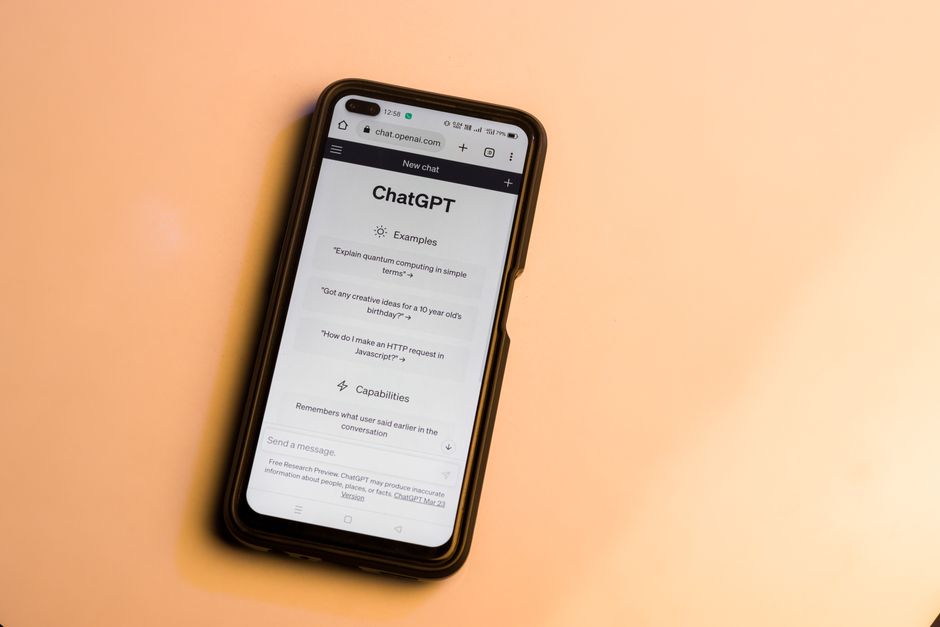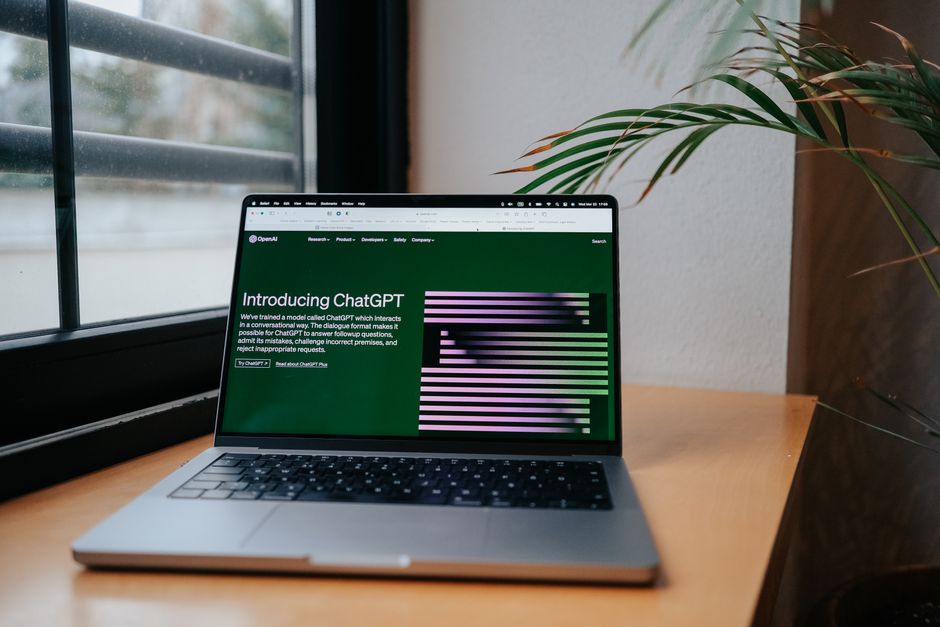
Marketers who host lead magnets inside OpenAI's ChatGPT need to prepare those assets for a move to ChatGPT Sites. Social Media Examiner led its latest newsletter with that change. The same edition included a guide to using Anthropic's Claude Design and a round of industry news that covers Google's Gemini.
- Social Media Examiner's newsletter covers how to get ChatGPT-hosted lead magnets ready for the move to Sites (Source: Social Media Examiner).
- The same edition includes a how-to guide for Claude Design (Source: Social Media Examiner).
- The edition's industry news section includes updates from Gemini (Source: Social Media Examiner).
- The newsletter went out as a Friday roundup of insights for marketers (Source: Social Media Examiner).
The newsletter summary is short. It does not give migration dates, feature lists or technical specifications. This article sticks to what the summary supports and spends the rest of its space on something marketers can use: how to protect lead-generation assets when the AI platform hosting them changes. Whizsky has also published a closer look at how marketers should prep lead magnets for the ChatGPT Sites move.
What does the move to ChatGPT Sites mean for lead magnets?
The headline item tells marketers that ChatGPT-hosted lead magnets need to be "ready for the move to Sites." In practice, that means anything built and shared inside ChatGPT may soon live in a different home. Examples include an interactive assessment, a custom assistant offered as a freebie, or a resource tool behind an email opt-in.
Any move between platforms carries familiar risks:
- Broken links. Old URLs may stop working or stop resolving correctly.
- Lost tracking. Analytics and attribution may not carry over automatically.
- Different user experience. The flow from first click to opt-in may change in ways that lower conversion rates.
OpenAI's specific migration process is not described in the summary. Even so, the general lesson holds. A lead magnet hosted on someone else's platform depends on that platform's roadmap.

How to prepare ChatGPT-hosted lead magnets for Sites
Whatever the final mechanics turn out to be, teams can start the following work now.
1. Build a full inventory
List every lead magnet that runs on or links to ChatGPT. For each one, note:
- where it is promoted, such as social bios, email footers, paid campaigns, podcast show notes and partner pages;
- who owns it internally;
- what it is meant to capture, whether email sign-ups, demo requests or community joins.
Assets nobody remembers building are the ones most likely to break quietly.
2. Put a redirect layer in front of every link
Point public links at a URL you control, such as a branded short link or a page on your own domain, instead of a raw platform link. When the destination changes, you update one redirect rather than hundreds of posts. This step costs almost nothing and protects you through this migration and the next one.
3. Make sure every opt-in feeds your own systems
Check that each lead captured through an AI-hosted tool reaches your CRM or email platform. If the AI experience is the product and your list is the asset, the list must not depend on the AI host.
4. Benchmark performance before the switch
Record current traffic, completion and conversion numbers for each asset. Without a baseline, you cannot tell whether the move to Sites helped or hurt.
5. Rewrite promotional copy that names the platform
Posts and emails that say "try our GPT" may need updating once the experience lives somewhere new. Search your content library for platform-specific language.
How should marketers approach Claude Design?
The second item is a guide to using Claude Design from Anthropic. The summary does not describe the tool's capabilities, so marketers should test it themselves rather than rely on assumptions. Anthropic has been moving Claude into more everyday work settings, as Whizsky covered in Anthropic Claude joining Slack as an AI coworker. A design-focused workflow fits that pattern.
A sensible way to evaluate any AI design tool:
- Use real briefs, not demo prompts. Give it last month's actual requests, such as a webinar promo, a carousel or a lead magnet cover, and compare the output with what your team delivered.
- Test brand consistency. Check whether it can follow your typography, colours and tone across several assets, not just one.
- Measure editing time. A tool that produces 80 per cent of a design but needs heavy rework may not save time.
- Check the handoff. Confirm that outputs export cleanly into the tools your designers and developers already use.
Teams already experimenting with Anthropic's other products can find more context in Whizsky's practical starter guide to Claude Code.

Why the Gemini news and AI platform shifts matter together
The newsletter also included industry news from Gemini, Google's AI product line. The summary gives no specifics, so this article does not speculate on them. What stands out is the pattern. A single weekly marketing newsletter now regularly covers updates from OpenAI, Anthropic and Google side by side.
That matters for three reasons:
- Change is constant. Products are being renamed, reorganised and moved at a pace that resembles the early years of social media algorithm changes.
- Single-platform strategies are fragile. Teams that build everything inside one AI ecosystem take on concentration risk.
- Visibility goes beyond hosting. Marketers need to track how their brand appears inside AI answers, not just where their assets live. Whizsky's guide on tracking competitors in ChatGPT answers covers that side of the work.
Key Takeaways
- Act now on ChatGPT Sites. Social Media Examiner flagged the need to ready ChatGPT-hosted lead magnets for the move. Begin the inventory and baseline work before any deadline arrives.
- Control your links. Branded redirects make platform migrations a single update instead of a cleanup project.
- Keep the list in your own systems. AI tools can host the experience, but leads should land in systems you control.
- Test Claude Design on real work. Use actual briefs, brand standards and handoff needs rather than demos.
- Follow all three ecosystems. OpenAI, Anthropic and Google are all shipping changes, so build processes that can absorb them.
Frequently Asked Questions
What is happening with ChatGPT-hosted lead magnets?
Social Media Examiner's newsletter advised marketers to get ChatGPT-hosted lead magnets ready for a move to ChatGPT Sites. The summary does not give migration details. Marketers should inventory affected assets, put links they control in front of them and record performance baselines now.
How can marketers protect lead magnets during a platform migration?
Point public links at branded redirects on your own domain so you can update the destination in one place. Make sure every opt-in feeds your CRM or email platform. Record traffic and conversion baselines before the switch so you can measure the impact afterwards.
What is Claude Design?
Claude Design is an Anthropic product that Social Media Examiner covered with a how-to guide. The newsletter summary does not list its features. Marketers should test it on real campaign briefs, check how well it follows brand standards and measure how much editing its output needs.
Why should marketers follow Gemini, ChatGPT and Claude updates together?
OpenAI, Anthropic and Google are all changing their AI products frequently, and those changes can affect where marketing assets live and how brands appear in AI answers. Following all three helps teams avoid relying too heavily on one ecosystem.